
Healing Hues from Nature
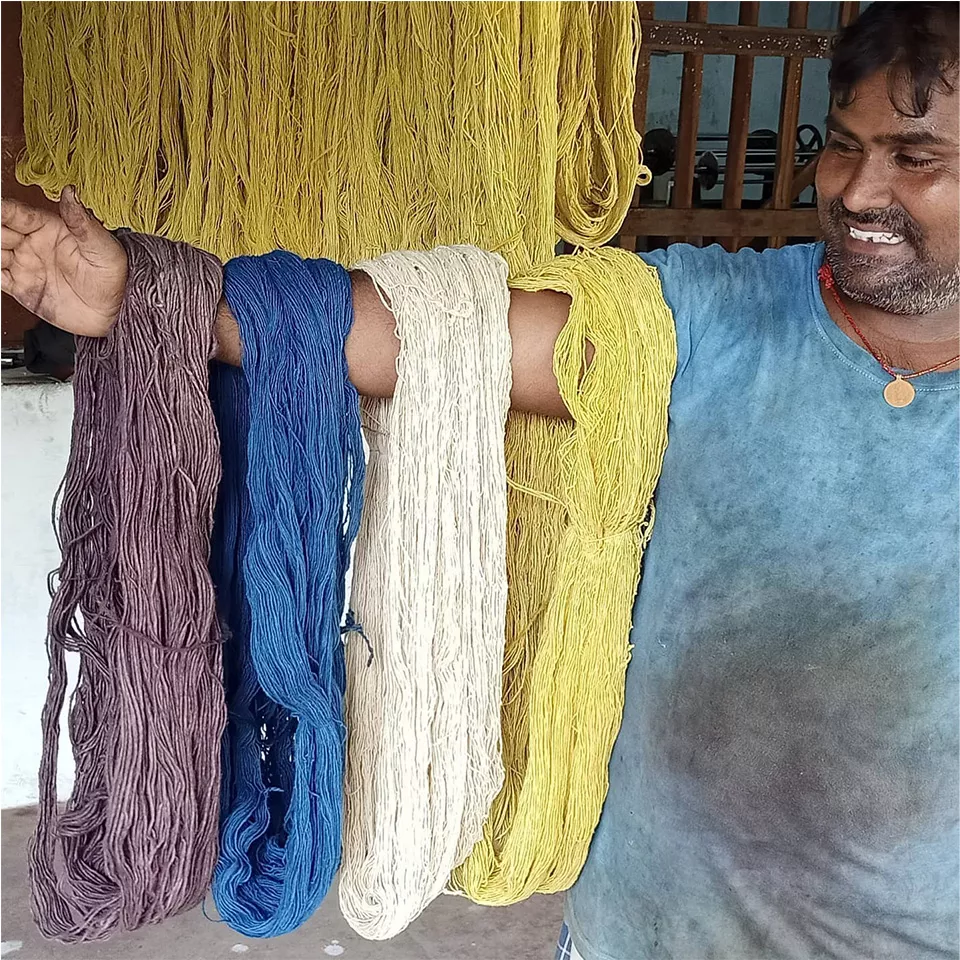
Herbal dyeing, also known as plant-based dyeing, is an ancient and sustainable method of coloring textiles using natural sources such as roots, bark, leaves, flowers, fruits, and even minerals. Unlike synthetic dyes, which rely on petrochemicals and often release harmful effluents into water bodies, herbal dyeing harnesses the healing and
aesthetic properties of plants to create safe, eco-friendly, and unique shades on fabric.

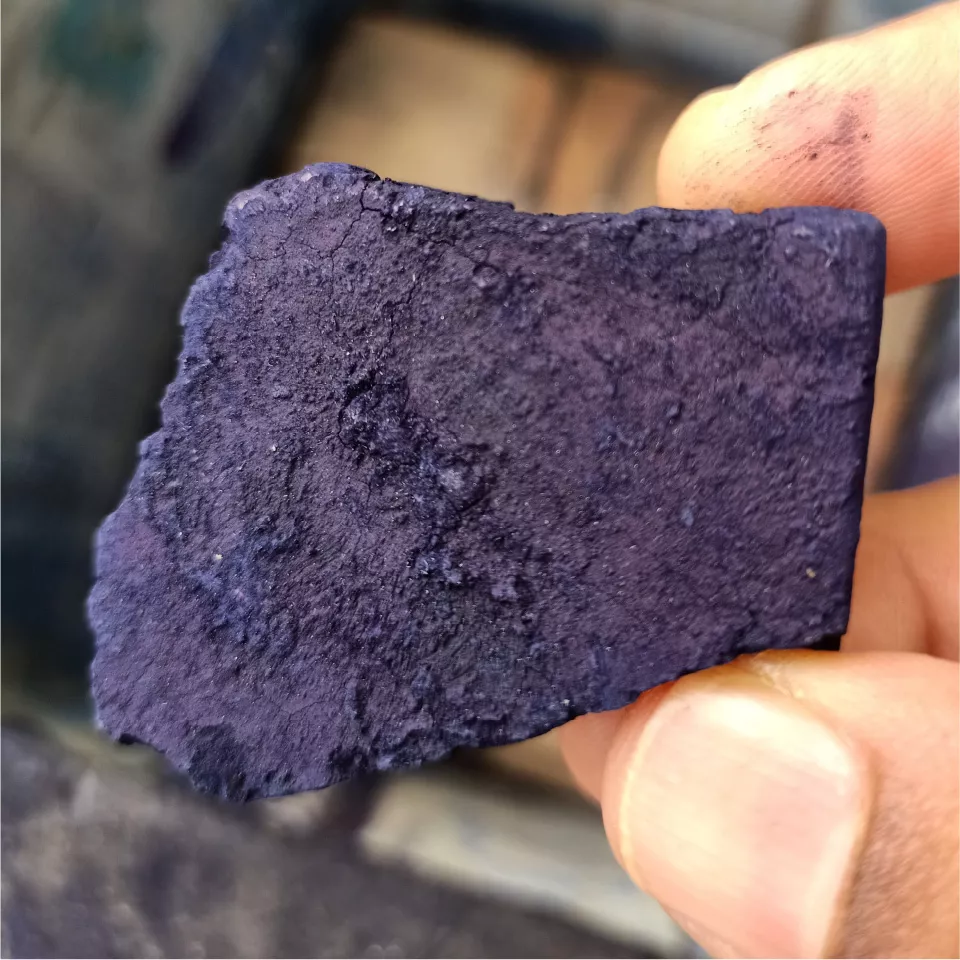
Sources of Herbal Dyes
Different parts of plants provide a wide spectrum of colors

Roots & Bark – Madder root (red), Turmeric root (yellow), Arjuna bark (brown)
Leaves – Indigo leaves (blue), Henna leaves (orange-brown).
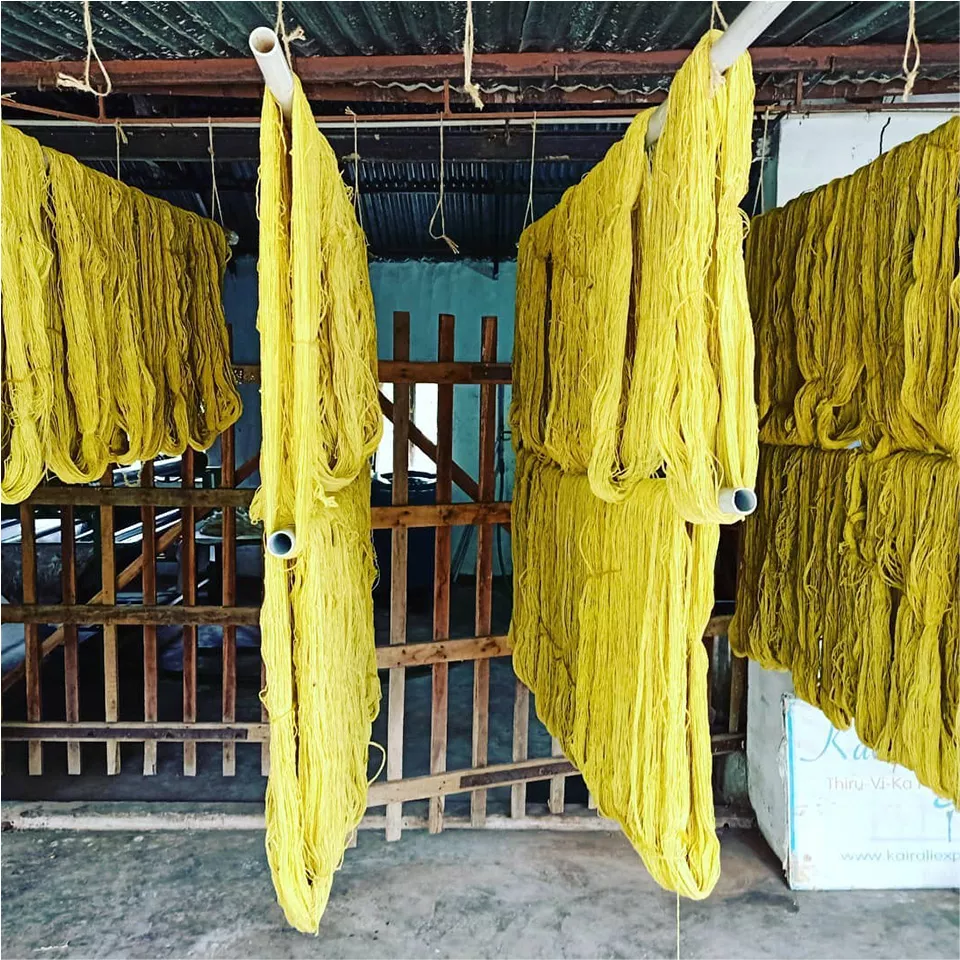
Flowers – Marigold (golden yellow), Hibiscus (red-pink), Pomegranate flowers (greenish-yellow).
Fruits & Seeds – Pomegranate rind (green/yellow), Myrobalan (golden brown), Annatto seeds (orange).
Process of Herbal Dyeing
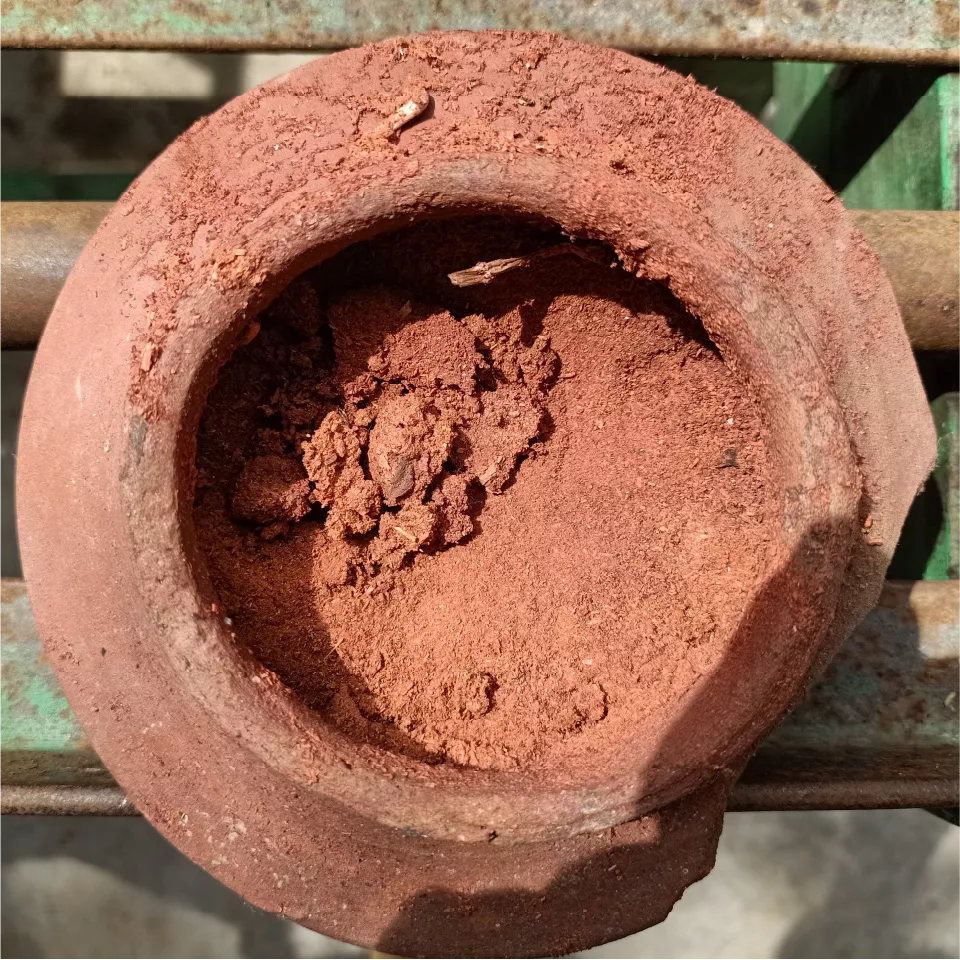
Fabric Preparation – Cotton, silk, wool, or linen is scoured to remove impurities.
Mordanting – Fabrics are treated with natural mordants like alum, iron, or tannin-rich plants (e.g., myrobalan) to help fix the dye and enhance color fastness.
Dye Bath – Plant materials are boiled to release pigments, and the fabric is immersed to absorb the natural hues.
Finishing – After washing and drying, the cloth reveals earthy, soothing, and unique tones.

Benefits of Herbal Dyeing

Eco-Friendly – Biodegradable and non-toxic, with no chemical runoff.
Skin-Friendly – Many herbal dyes are hypoallergenic and even have medicinal properties (e.g., turmeric is antibacterial, neem is antifungal).
Cultural & Aesthetic Value – Each shade carries a natural irregularity and depth, making every piece unique.
Sustainability – Reduces dependency on petroleum-based synthetic dyes and supports local farmers cultivating dye-yielding plants.