Enriching Soil
“Soil First. Future First.”
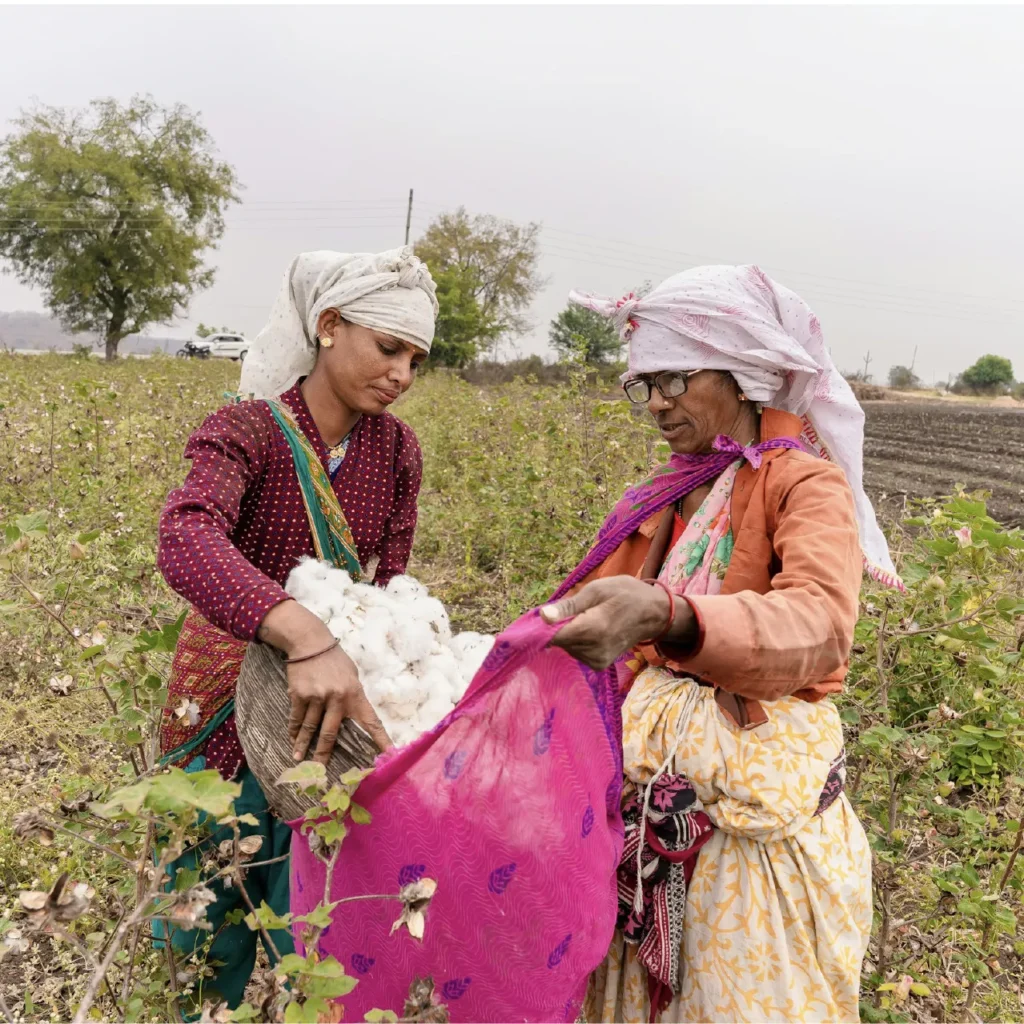
Regenerative Cotton
Regenerative cotton refers to cotton grown using regenerative agriculture practices—methods designed to restore and enhance soil health, biodiversity, water retention, and ecosystem resilience. Unlike conventional or even organic cotton, regenerative cotton focuses not only on avoiding harm but on actively improving the land over time.
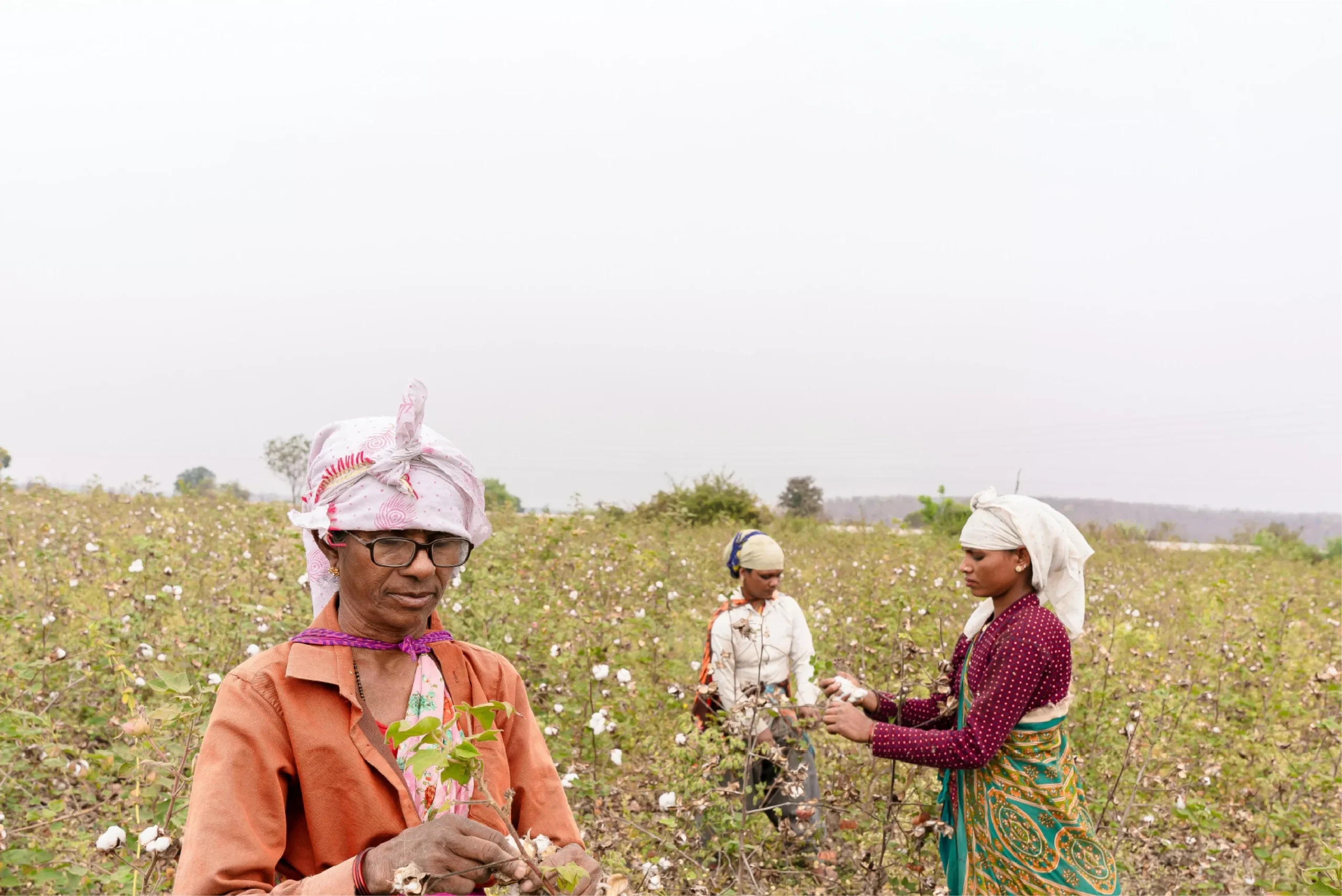
Our farm partner : Raddis cotton
Soil Health Improvement
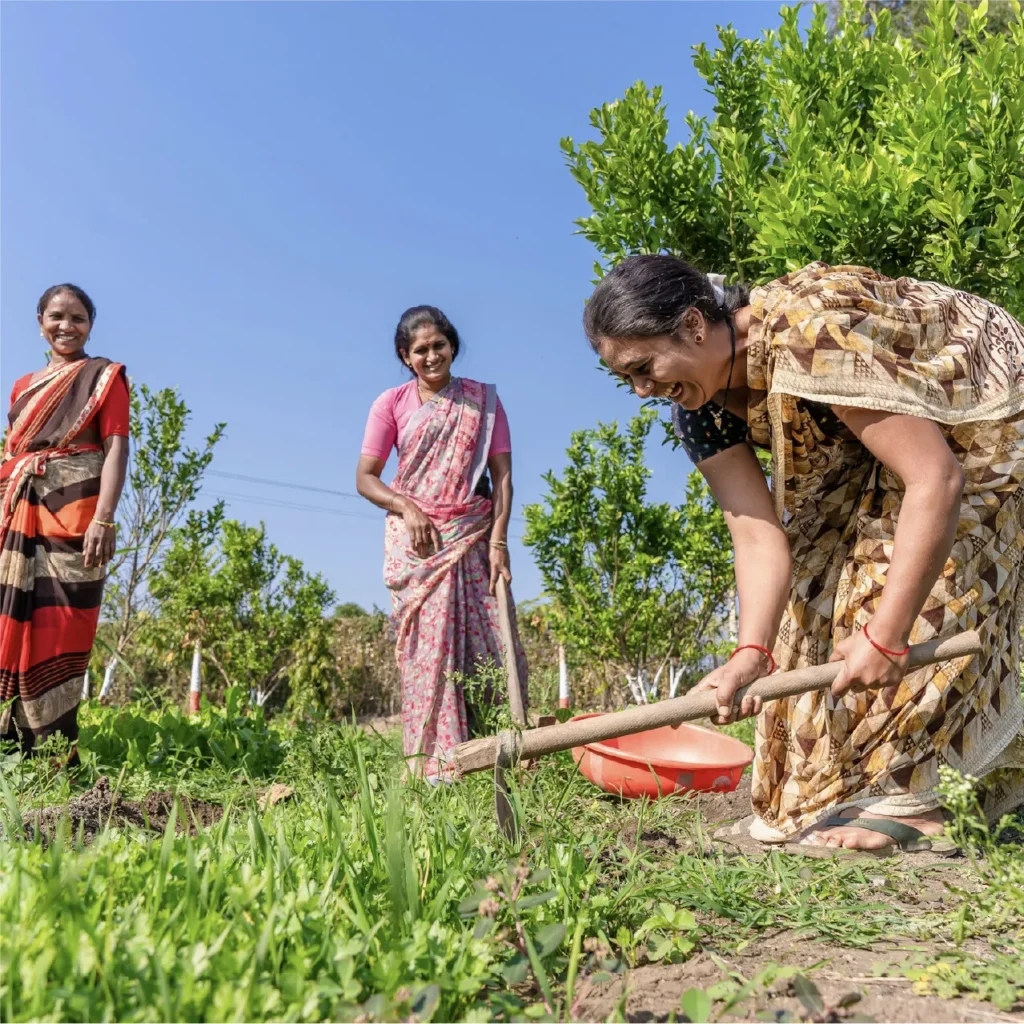
Use of cover crops, compost, and minimal tillage to build healthy soil.
Enhances carbon sequestration (drawing CO₂ from the atmosphere into the soil).
Biodiversity Support
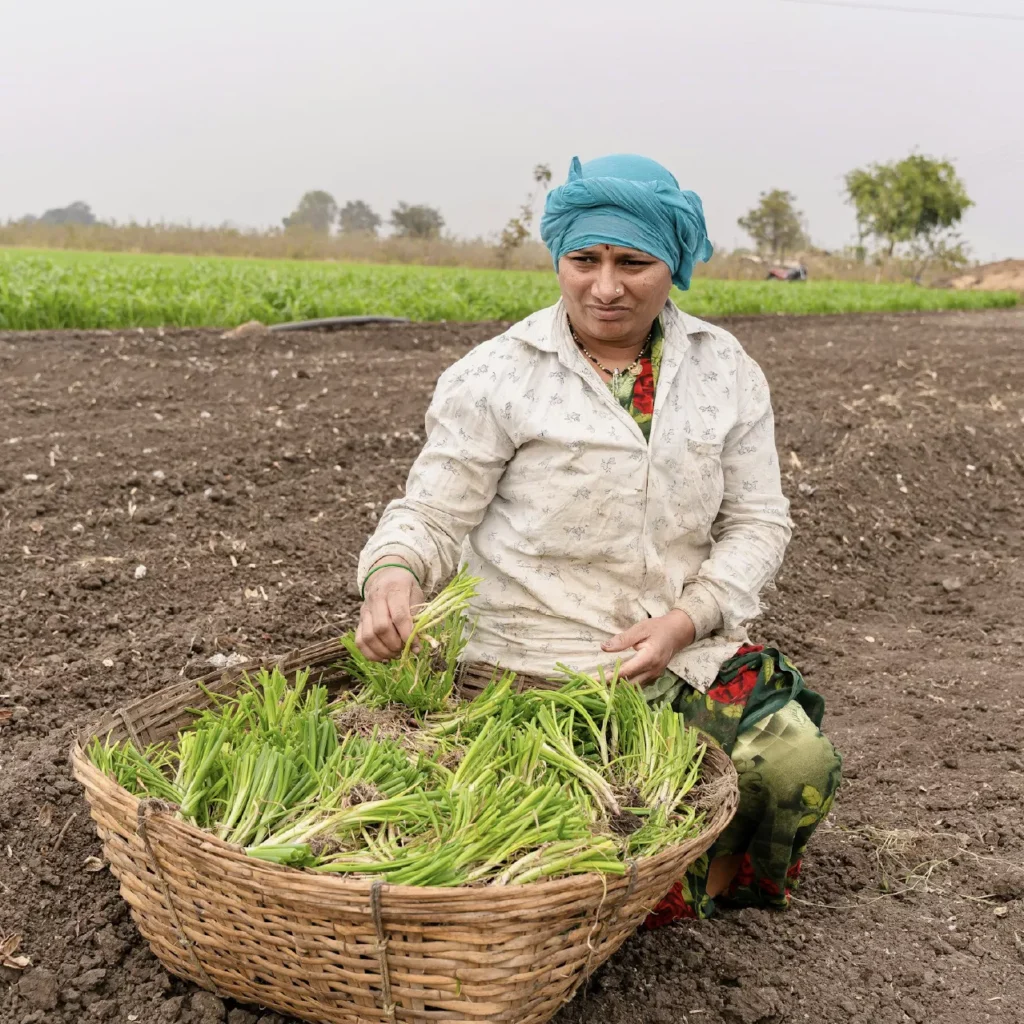
Crop rotation and intercropping to support a diverse range of plant and insect life.
Water Efficiency
Healthier soil retains water better, reducing the need for irrigation.
No Synthetic Inputs
Avoidance of synthetic fertilizers, pesticides, and herbicides. – can be considered organic but not certified
Animal Integration (sometimes)
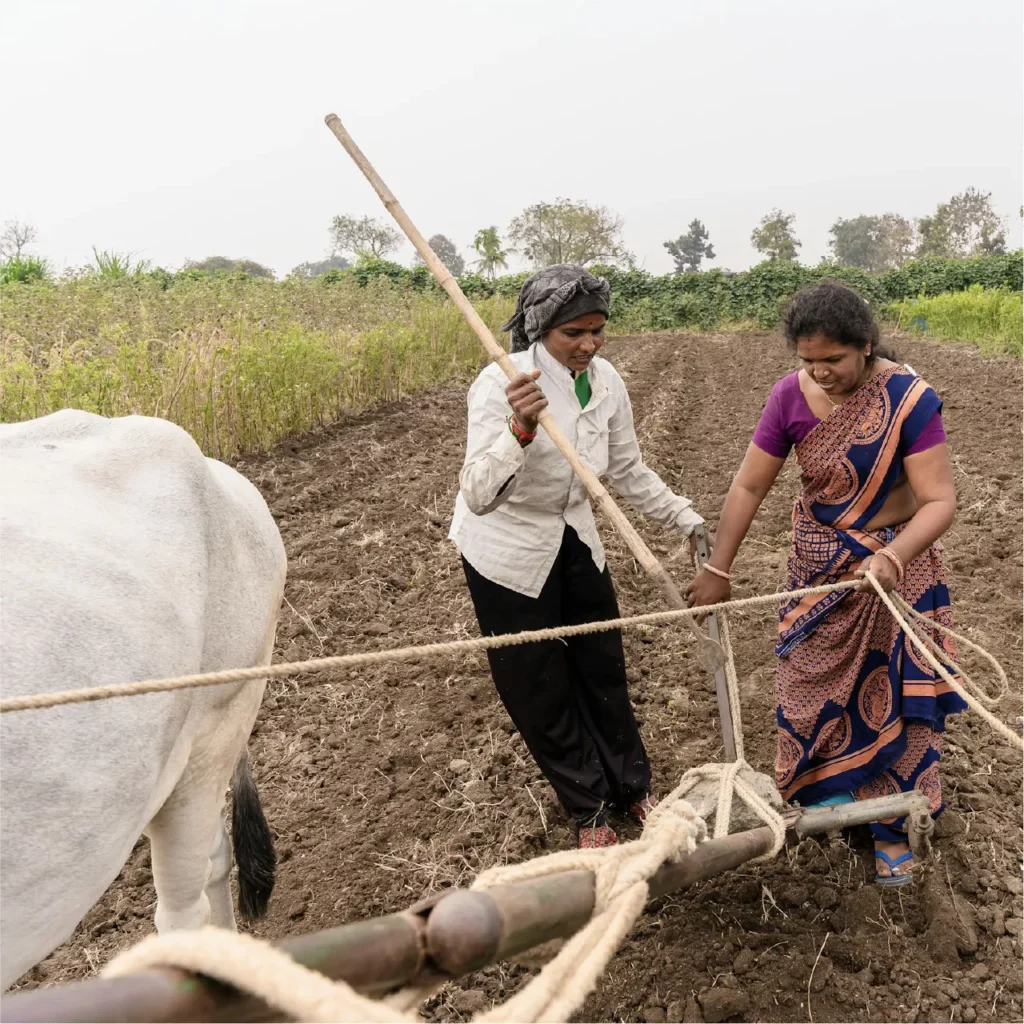
Some farms integrate livestock to naturally fertilize and aerate soil.
Benefits of Regen Cotton
Environmental: Reduces greenhouse gas emissions, enhances biodiversity, and improves water quality.
Economic: Can lead to more resilient crops and long-term farm profitability.
Social: Often includes fair labor practices and can empower local communities
Challenges of Regen Cotton
Transition period for farmers can be long and expensive.
Certification and scalability are still developing.
Not yet widely available at a commercial scale.