

About Mila –
Where Sustainability
Meets Excellence
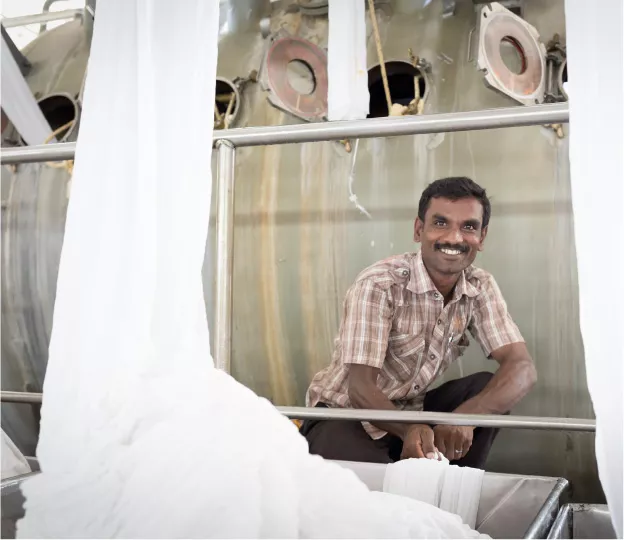
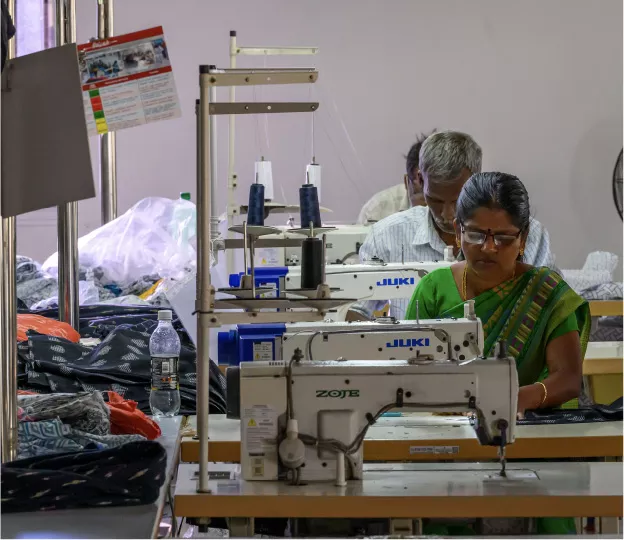
At Mila, we are reimagining the fashion industry by combining high-quality craftsmanship with a deep commitment to the planet and its people. As a Fairtrade-certified, organic garment factory, we lead with ethical practices, sustainability, and innovation at the heart of everything we do.
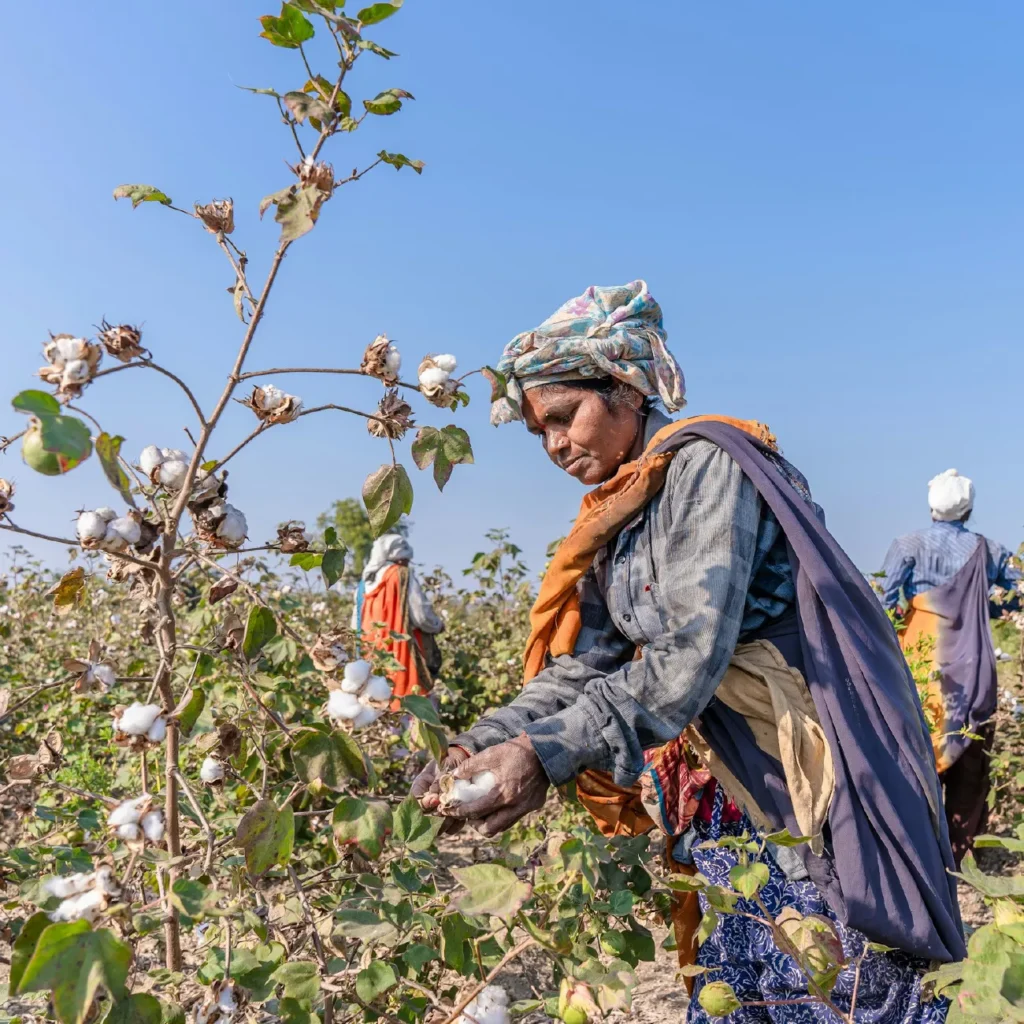
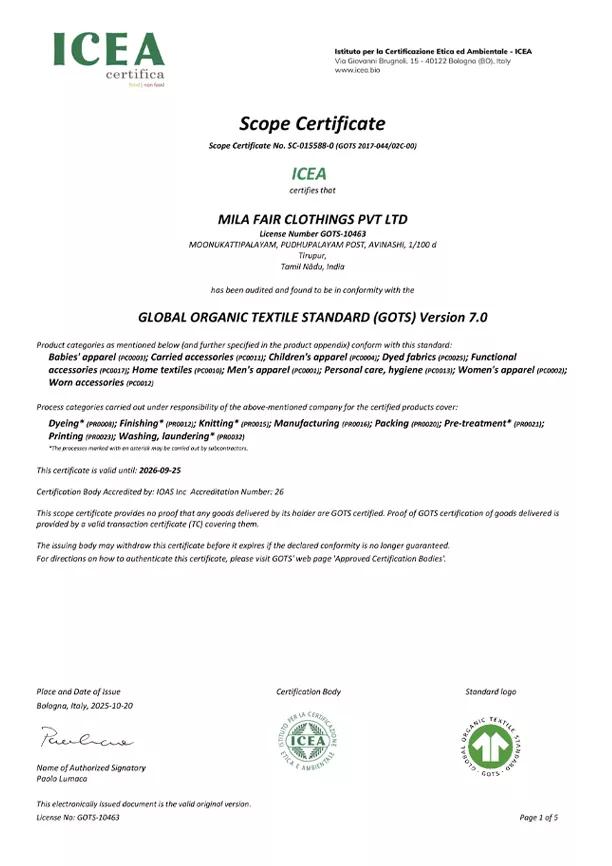
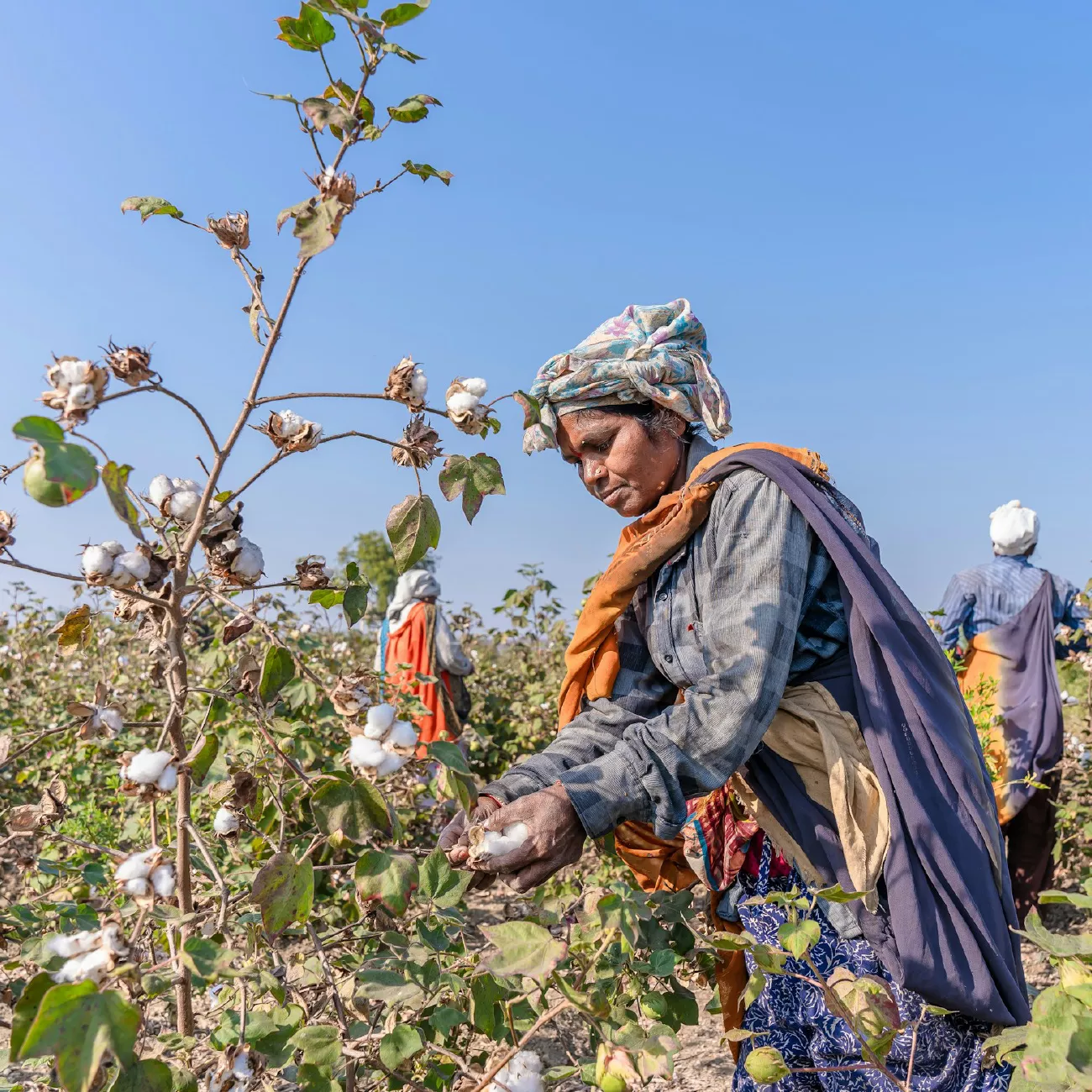
We proudly use regenerative cotton, a resource that not only benefits the environment but also helps restore and enrich the land from which it’s grown. This is just one of the ways we’re working to create a healthier future for our planet.
Our factory is powered entirely by solar energy, ensuring that every piece we produce is made with minimal environmental impact. But our commitment doesn’t stop there – we go above and beyond to be carbon negative, actively reducing our emissions and offsetting more carbon than we produce, contributing to a healthier planet for generations to come.
Our dedication to quality is unwavering. From the sourcing of raw materials to the final stitch, we implement a 100% quality assurance process to ensure that every garment is not only ethically made but also of the highest standard.
Join hands with Mila to create a more sustainable, ethical, and beautiful future. Be proud—you’re part of a movement shaping a better world.
Meet Our Founders

Stefan Niethammer
Germany
CO-Founder
Director
Global Marketing
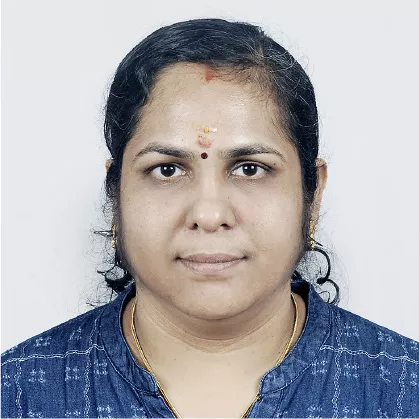
Indira
India
CO-Founder
Managing Director
Finance & Accounts
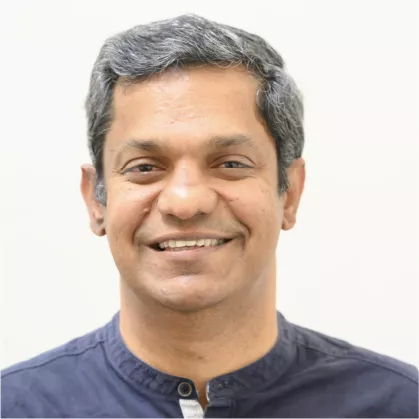
Girish
India
CO-Founder
Director
Sales & Operations
Vision
To become a leader in ethical fashion by making high-quality garments that respect people and the planet, and by setting a global example for sustainable,carbon-neutral manufacturing.
Mission
Our mission is to make garments with honesty and care—using eco-friendly materials, fair labor practices, and CO₂-neutral methods. We aim to empower our workers, reduce our environmental impact, and build lasting partnerships with conscious brands worldwide.
Beyond Certification
Rooted in Values, Towards Responsibility
Why We Go Beyond Certifications
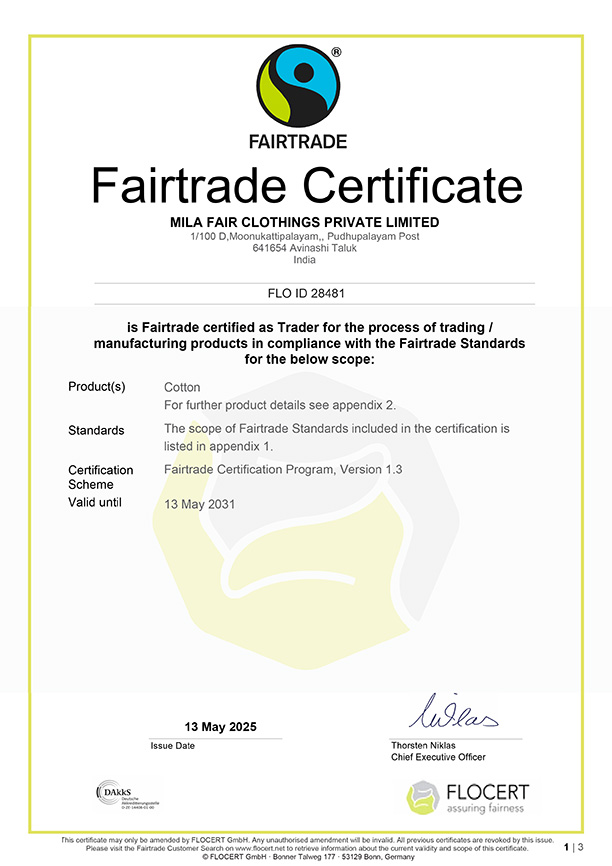
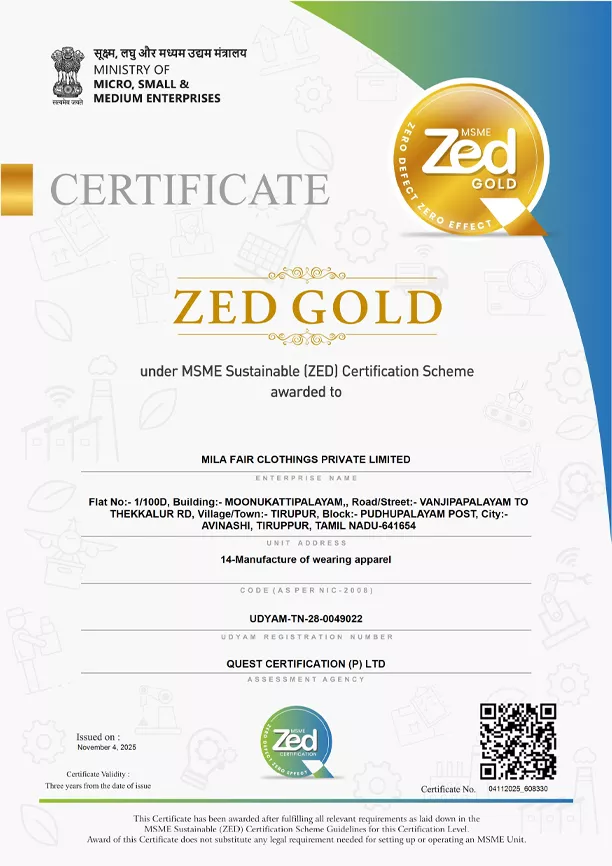
Yes, we work with certifications like GOTs & Fairtrade — they’re important, and we respect the standards they set. But let’s be honest: a certified label isn’t the full story.
In many cases, certification becomes a box-ticking process that doesn’t reflect the real impact on farmers or the environment. Some systems even fall short on things like data integrity and farmer support — which matters a lot to us.
So at MILA, we go further. We get to know the people we work with. We understand the land. And we build everything around real, lasting change — not just paperwork.
Our Specialities
At Mila, we combine experience, reliability, and innovation to deliver sustainable and customer-focused solutions in garment manufacturing.
- Focus on Quality
- Efficient Lead Times
- Timely Delivery
- Supply from Stock Fabrics
- Low Minimum Order Quantity (MOQ)
- Printing & Embroidery Expertise
- Customer-Centric Approach
- Accessibility & Responsiveness
- Ethical & Sustainable Practices
- Sample Development Support
- Global Compliance Standards
- Innovation in Fabrics & Processes
- Long-Term Partnerships
By blending flexibility, reliability, and commitment to sustainability, we position ourselves as a trusted partner for brands worldwide.
Farm to Fashion
From cotton to fabric to clothing — every step certified, every step responsible.

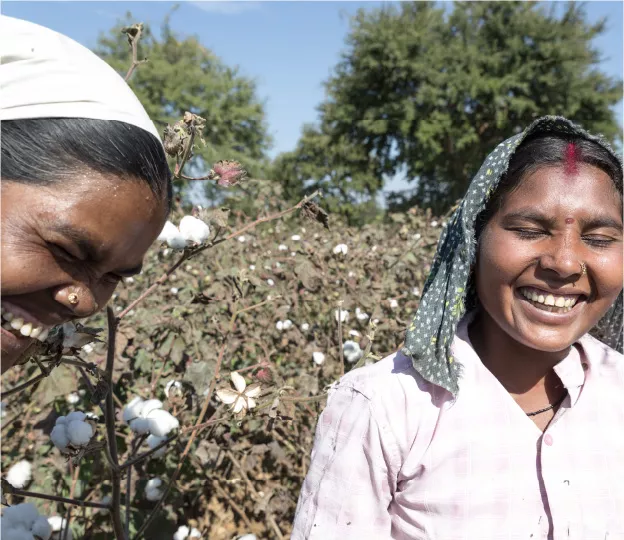
Fairtrade & Organic Farms and Farmers
Cooperatives are formed for collective farming which reduce risk and farmers get a fair price for their product.
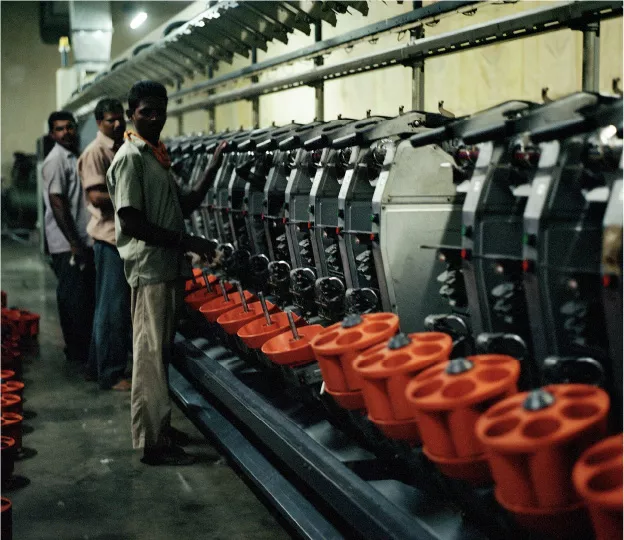
Ginning and Spinning
Seeds are removed, cotton is spun into sustainable yarns of various counts.

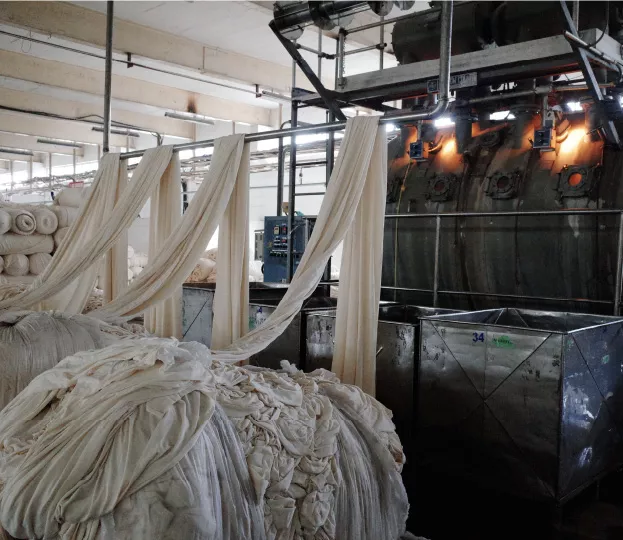
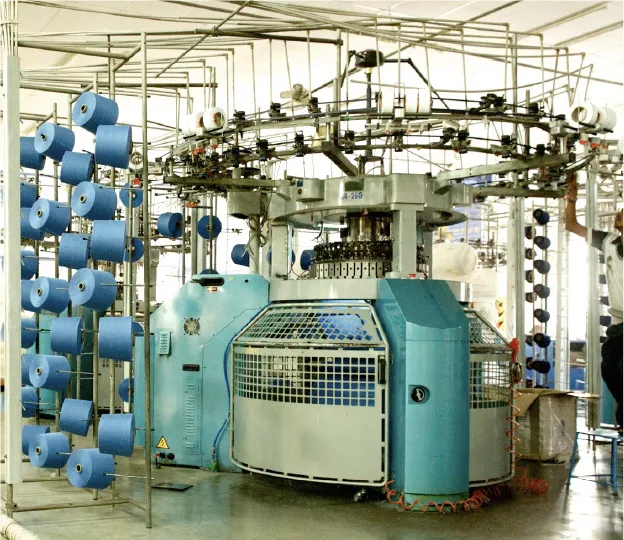
Knitting
Yarns are knitted into tubular fabrics with minimal waste.

Eco Dyeing
Low-impact, GOTS-approved dyes add lasting color with reduced water use.

Fabric Inspection
Finished fabrics are inspected thoroughly for quality
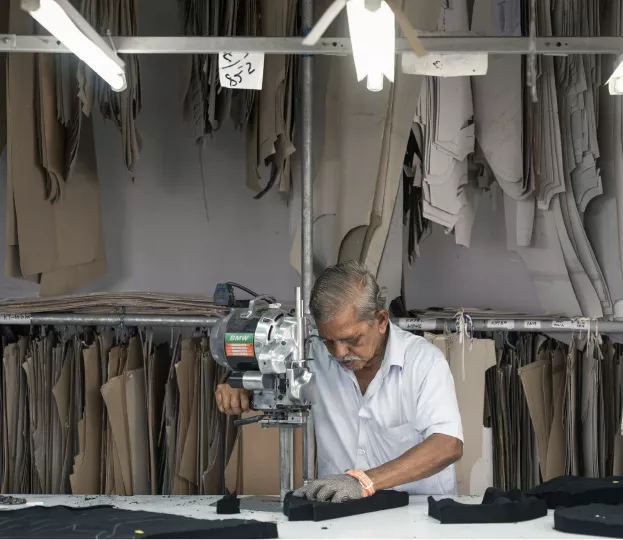
Cutting
Patterns are precisely cut to optimize fabric use and minimize waste.

Screen Printing & Sewing
GOTS & Fairtrade certified printing, followed by skilled tailoring for perfect garments.
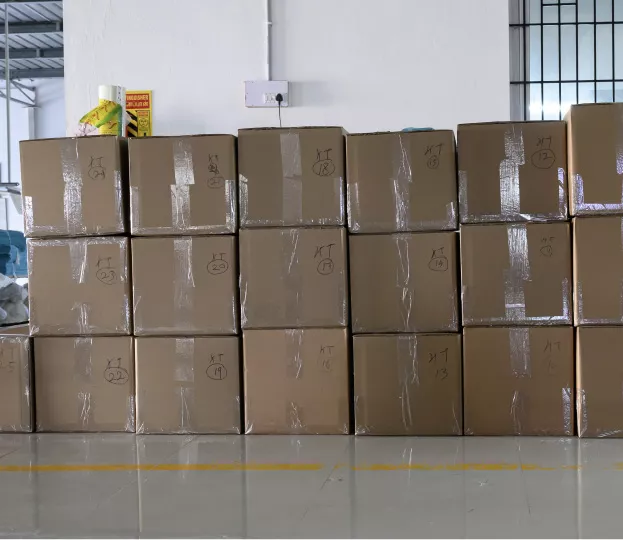
Quality & Shipping
Every garment is 100% inspected and shipped responsibly.
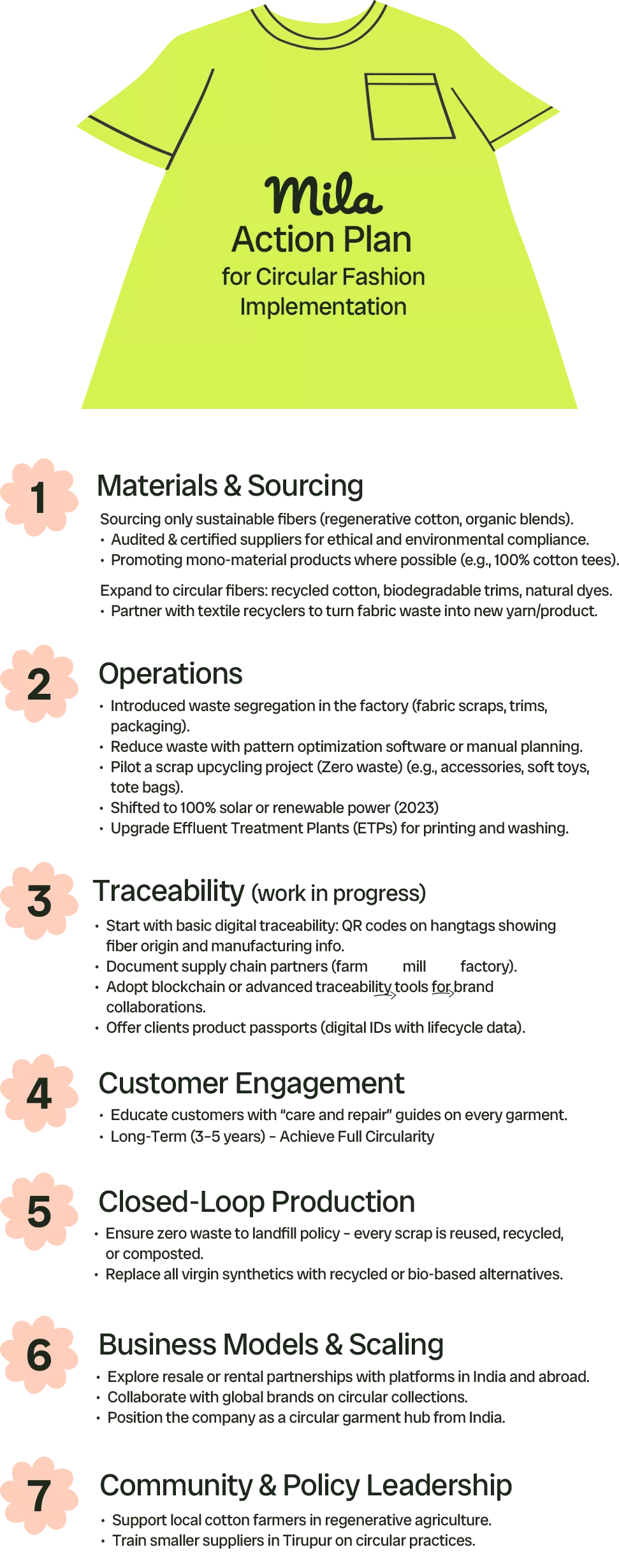
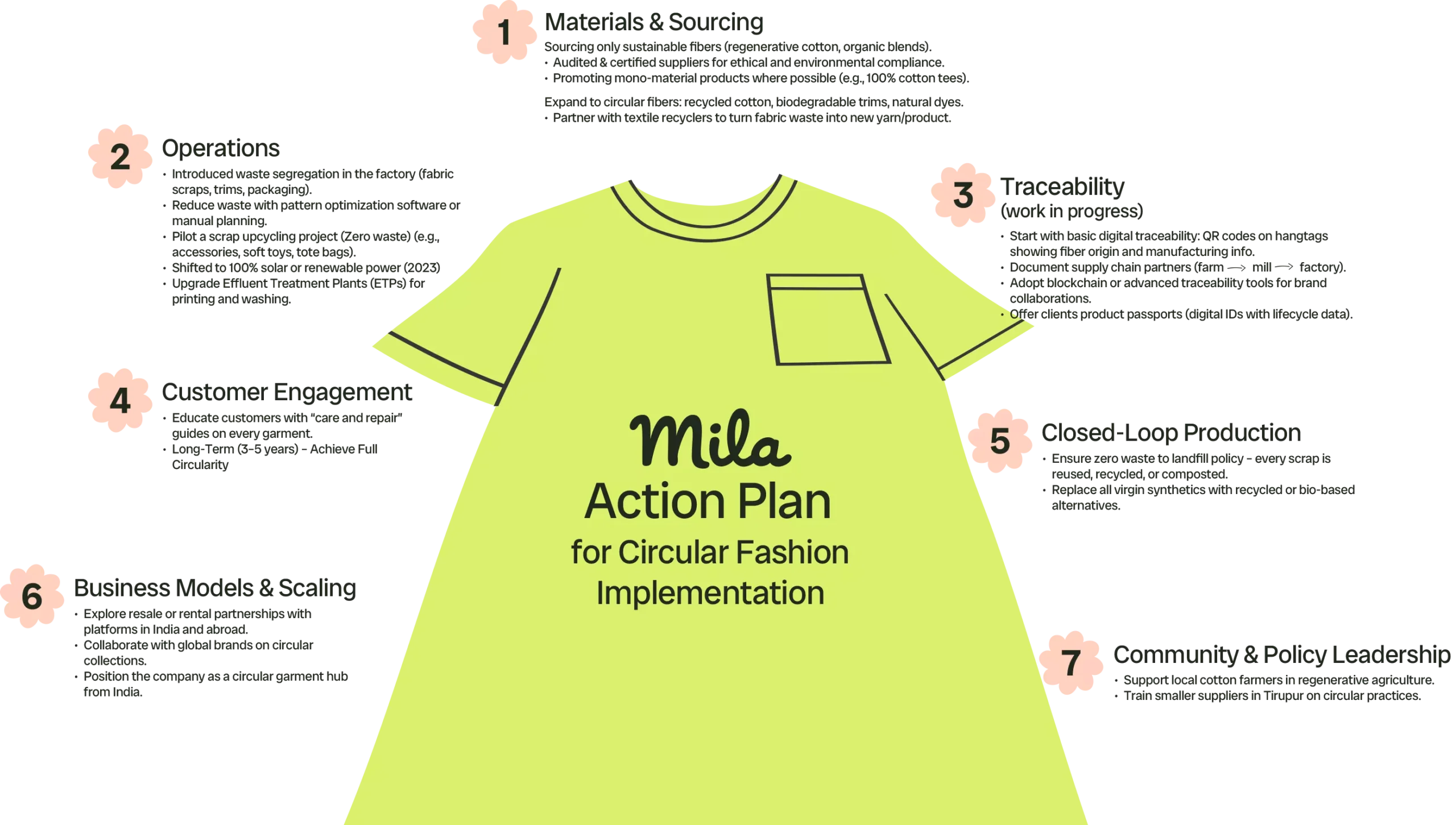
Circular Fashion and the Circular Economy
Sustainable Threads, Endless Possibilities
The fashion industry has long followed a linear model: take make dispose. This approach leads to overproduction, waste, and environmental damage.
Circular fashion rooted in the circular economy, reimagines this model by designing clothing, materials, and business systems that ensure products remain in use for as long as possible, and are then safely returned to nature or recycled into new products.
Core Principles of Circular Fashion
- Design for longevity – clothes are made to last in quality style, and durability.
- Reuse and repair – extending product life through resale, upcycling, and repair services.
- Recycling and regeneration – fibers are recovered and reintroduced into new garments/products/yarn.
- Closed-loop systems – minimizing waste and turning it into resources.
Traceability in Circular Fashion
- Traceability is the backbone of circular fashion. It ensures that every stage of a garment’s journey — from cotton fields to finished product — is transparent and trackable.
- Digital tools like QR codes, blockchain, and product passports help customers know where, how, and by whom their clothes were made.
- Benefits of traceability: builds trust, combats greenwashing, ensures ethical practices, and helps brands meet sustainability regulations.
Benefits of Circular Fashion
- Environmental Protection – reduces waste, water usage, and carbon emissions.
- Economic Resilience – creates new business models (resale, rental, recycling) and reduces dependency on virgin resources.
- Consumer Trust & Engagement – transparency builds stronger brand–customer relationships.
- Social Impact – supports ethical labor practices, fair wages, and community wellbeing.
- Innovation – encourages new materials (regenerative cotton, bio-fibers, recycled polyester) and smarter systems.
End Goal
100% Traceable
Supply Chain.
100% Garments Recyclable, Repairable, Or Compostable.
Zero Waste Factory.